Automatic suppression systems detect, control or extinguish a fire without human intervention. At A2S Fire, we design solutions tailored to industrial environments, critical infrastructure and high-risk sites to protect people, equipment and the continuity of your operations.
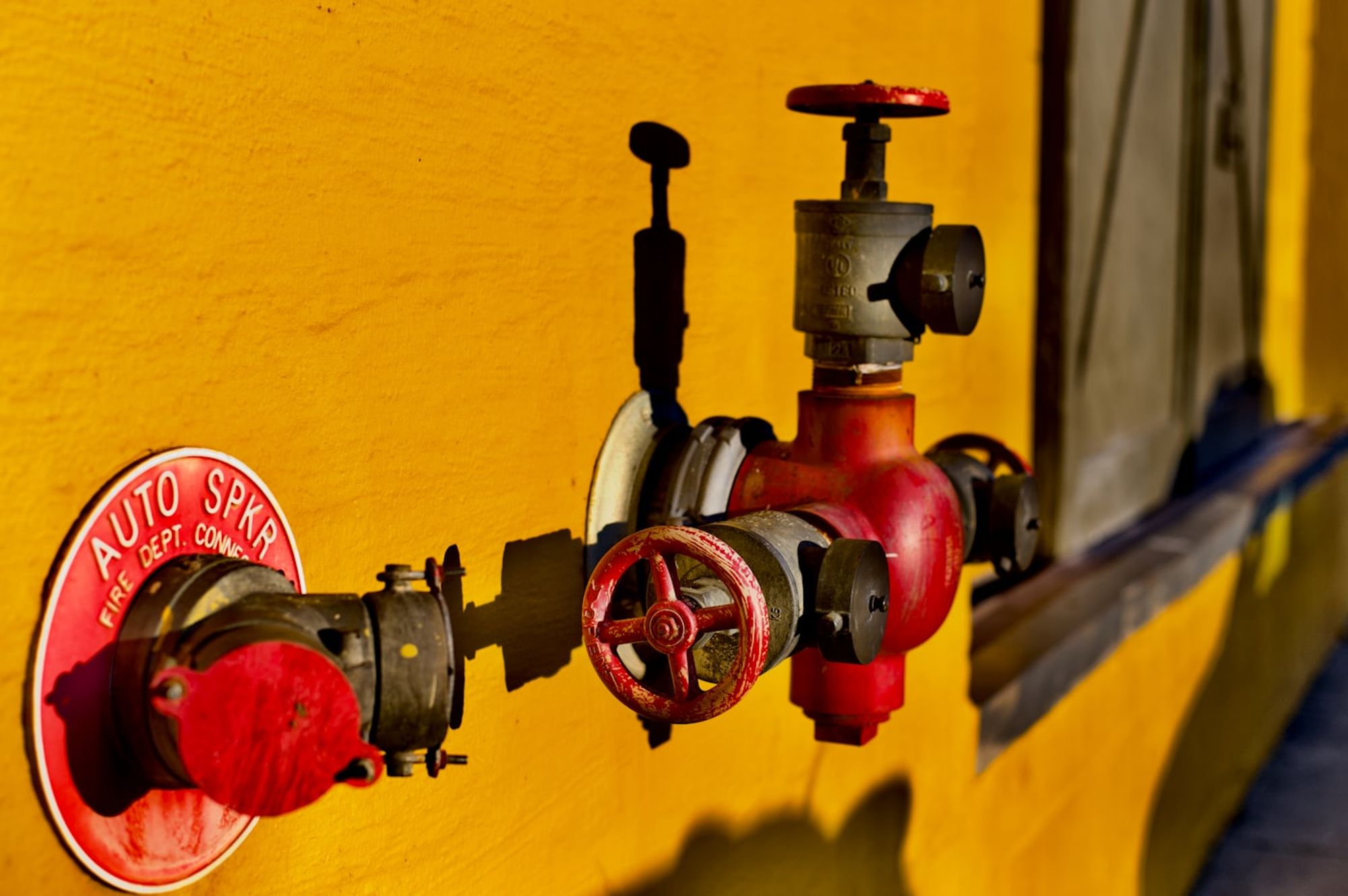
Industrial automatic fire suppression
Protect your critical installations from the very first seconds.
Risk assessment
Analysis of fire scenarios and the criticality of your installations.
Fire engineering
Sizing of volumes, networks, reserves and discharge.
Right technology selection
The right technology given your risks and constraints.
Turnkey installation
Installation by certified technicians, to the highest standards.
Maintenance
Preventive and corrective contracts for permanent availability.
- 15+ years of expertise
- Industry
- ICPE
- Seveso
- Nuclear
- Export
Why install an automatic suppression system?
Response speed is decisive when a fire breaks out. In some industrial environments, a few seconds are enough for a fire to cause major damage, endanger people or halt production for a long time.
Unlike a manual response, an automatic suppression system acts immediately after the fire is detected, even without an operator present. It limits fire spread, reduces business losses and protects sensitive equipment. The available technologies (gas, foam, water mist, CO₂, etc.) are selected according to the nature of the risks and the assets to protect.
The benefits
- 24/7 protection
- Reduced damage
- Business continuity
- People protection
- Regulatory compliance
- Critical equipment protection
How does an automatic suppression system work?
An automatic suppression system combines a fire-detection system with a device that discharges a suitable extinguishing agent.
When a fire is detected, the system analyses the information, triggers the safety procedures and then automatically releases the selected extinguishing agent.
Recommended chain
Detector → Fire control panel → CMSI → Time delay → Automatic suppression → Feedback.
From signal to incident control
-
Detection
-
Alarm confirmation
-
Pre-alarm
-
Optional time delay
-
Automatic release
-
Agent discharge
-
Incident control
The different automatic suppression systems
One technology per risk. Each solution has its own dedicated page.
01 Inert gas suppression IG-55 · IG-541 · IG-100
Agents: IG-55, IG-541, IG-100, Argonite, Nitrogen.
- Data centers
- Museums
- Server rooms
- Archives
- Electrical rooms
Benefits: no residue, no water, protection of sensitive equipment.
02 Novec™ 1230 suppression (FK-5-1-12) Clean agent
A clean agent specifically designed to protect electronic equipment.
- Server rooms
- Telecommunications
- Industrial controllers
03 FM-200 suppression Clean agent (HFC)
A clean agent following the same logic as FK-5-1-12 for protecting sensitive electronic equipment.
04 CO₂ suppression Fast suppression
Ideal for:
- Transformers
- Electrical cabinets
- Turbines
- Enclosed industrial installations
Safety: CO₂ requires specific measures to protect people and is not suitable for all occupied areas.
05 Foam suppression Flammable liquids
- Hydrocarbons
- Retention areas
- Aviation
- Fuel depots
06 Water mist Low water use
- Turbines
- Electrical rooms
- Heritage sites
- Tunnels
07 Sprinklers Buildings & logistics
- Logistics
- Industry
- Warehouses
08 Powder Specific risks
- Specific risks
- Gas
- Chemicals
Technology comparison table
A quick reference to compare agents against your constraints.
| Technology | Residues | Sensitive equipment | Occupied areas | Hydrocarbon fires | Electrical rooms |
|---|---|---|---|---|---|
| Inert gases | No | Yes (under conditions) | |||
| FK-5-1-12 | No | Yes | |||
| CO₂ | No | No when people are present | |||
| Foam | Yes | Yes | No | ||
| Water mist | Low | Yes | |||
| Sprinkler | Water | Yes | |||
| Powder | Yes | Yes |
How to choose the right automatic suppression system for your activity?
There is no universal solution when it comes to automatic fire suppression. The choice of technology depends on many technical, regulatory and operational parameters.
An effective solution must protect people, limit equipment damage and ensure your business continuity while meeting the requirements of your environment.
At A2S Fire, every project begins with a risk analysis in order to select the technology best suited to your installations.
Key selection criteria
Nature of the risks
Not all fires have the same characteristics. Fires involving hydrocarbons, lithium-ion batteries, electrical equipment or chemicals require different extinguishing agents.
Value of the equipment to protect
Server rooms, data centers, laboratories and electrical rooms require clean agents that leave no residue.
Presence of personnel
Some technologies, such as CO₂, require special precautions when used in occupied areas.
Environmental constraints
The choice of system also takes into account:
- Ambient temperature
- Humidity
- Ventilation
- Room height
- Volumes to protect
Regulatory constraints
Requirements may vary depending on:
- ICPE
- Seveso
- Public-access buildings (ERP)
- Nuclear
- APSAD insurer requirements
- Client specifications
Selection guide
- Server room
- FK-5-1-12 or inert gases
- Data center
- Inert gases or FK-5-1-12
- Electrical room
- CO₂ or FK-5-1-12 depending on context
- Refinery
- High-expansion foam
- Fuel depot
- Foam
- Conveyors
- Water mist or deluge
- Logistics warehouse
- ESFR sprinklers
- Lithium battery room
- Water mist + thermal detection
- Turbine
- HP water mist
- Paint booths
- Powder or foam
The most common mistakes
- Choosing a technology without a risk study.
- Copying an existing installation.
- Undersizing the extinguishing-agent reserves.
- Neglecting maintenance.
- Overlooking future site extensions.
Our engineers' advice
The purchase cost of a suppression system is often a small share of the overall cost of a fire. A correctly sized solution provides lasting protection for people, equipment and your business continuity.
A complete range of industrial automatic suppression systems
With its multi-technology expertise and its independence from manufacturers, A2S Fire selects the solution offering the best balance between performance, safety and operating cost.
Inert gas systems
Protection of sensitive rooms with no residue.
- Data centers
- Telecommunications
- Museums
- Archives
- Electrical rooms
FK-5-1-12 systems
Protection of sensitive electronic equipment.
- Industrial controllers
- Computing centers
- Laboratories
- Server rooms
CO₂ systems
Protection of installations requiring very fast suppression.
- Turbines
- Electrical cabinets
- Industrial processes
- Technical booths
Foam systems
Protection of flammable liquids.
- Fuel depots
- Refineries
- Chemicals
- Aviation
High-pressure water mist
Protection with very low water consumption.
- Tunnels
- Machine rooms
- Turbines
- Heritage sites
Automatic sprinklers
Protection of industrial and logistics buildings.
- Warehouses
- Factories
- Storage
Deluge systems
Fast protection of areas with a high spread risk.
- Transformers
- Tanks
- Oil installations
Dedicated lithium-ion battery suppression
Lithium batteries present thermal-runaway risks. We combine thermal detection, gas detection, water mist and intelligent supervision.
Full integration
Our systems interface with your installations:
- Fire safety system (SSI)
- BMS / BAS
- Industrial supervision
- Crisis communication
- Smoke control
- Access control
- CCTV
Solutions tailored to every industrial environment
Each activity presents specific fire risks; our solutions are sized to meet the requirements of your sector.
Chemical industry
Reactors, storage, pump rooms, production units.
Learn morePetrochemicals
Hydrocarbon tanks, racks, pumps, loading stations.
Learn moreEnergy
Turbines, transformers, electrical rooms, HV substations.
Learn moreData centers
IT racks, server rooms, UPS, telecom rooms.
Learn morePharmaceutical industry
Cleanrooms, laboratories, production.
Learn moreFood industry
Silos, production lines, cold rooms.
Learn moreLogistics
Warehouses, platforms, automated stores.
Learn moreNuclear
Electrical rooms, technical buildings, control rooms.
Learn moreMarine & Offshore
Offshore platforms, engine rooms, vessels.
Learn moreA holistic approach to fire protection
Every project follows a rigorous methodology to ensure the system performs throughout its life cycle.
-
Risk analysis
Fire scenarios, fire classes, equipment criticality.
-
Regulatory study
APSAD, EN, NFPA (international projects), client constraints.
-
Engineering
Sizing of volumes, networks, reserves and discharge.
-
Installation
Installation carried out to the highest standards.
-
Commissioning
Detection, release and discharge tests.
-
Training
Training of operating teams.
-
Maintenance
Preventive maintenance contracts.
-
Modernisation
Upgrading of existing installations.
Key standards for automatic suppression systems
A2S Fire supports its clients in complying with French and international regulatory requirements.
Frameworks and scope
Note: APSAD rules are numerous and specific to each system. We only cite those genuinely applicable to our solutions in order to stay perfectly accurate.
- EN 15004
- Gas
- EN 12845
- Sprinklers
- NFPA 13
- Sprinklers
- NFPA 2001
- Clean agents
- APSAD
- Fire protection
- ICPE
- Industry
- Seveso
- Major hazards
- ATEX
- Explosive atmospheres
Your partner for industrial automatic suppression projects
Installing a suppression system is not about picking a product, but about designing a solution perfectly matched to the real risks of your installation.
Recognised industrial expertise
For more than 15 years, we have supported industrial companies in protecting their critical installations.
A multi-technology approach
Each technology has its advantages and limits. Our independence lets us select the most relevant solution given your technical, regulatory and economic constraints.
A holistic view of safety
Fire detection, automatic suppression, ATEX equipment, safety communication, maintenance: perfect consistency across your site's protection systems.
End-to-end support
Audit, risk study, engineering, supply, installation, commissioning, training, maintenance, modernisation.
Industrial automatic fire suppression — FAQ
Your question isn't in this list?
Put it to one of our experts.What is an automatic fire suppression system?
An automatic fire suppression system is an installation able to detect a fire and automatically release a suitable extinguishing agent, without human intervention. Its goal is to control or extinguish the fire in its earliest stages to protect people, property and business continuity.
What is the difference between a fire-detection system and an automatic suppression system?
A fire-detection system identifies a fire and triggers alarms or safety devices. An automatic suppression system goes further by automatically discharging an extinguishing agent (gas, water, foam, water mist, etc.) to control or extinguish the fire.
Why install an automatic suppression system?
Automatic suppression shortens response time, limits fire spread, protects strategic equipment, reduces business losses and improves people's safety.
In which buildings are automatic suppression systems installed?
These systems are used in industry, logistics warehouses, data centers, electrical rooms, refineries, chemical sites, energy plants, laboratories, transport infrastructure, tertiary buildings and sensitive installations.
How does an automatic suppression system work?
After a fire is detected, the control panel confirms the alarm, applies the planned time delays if necessary, then automatically commands the discharge of the appropriate extinguishing agent.
What are the main types of automatic suppression systems?
The main technologies are:
- inert gases
- FK-5-1-12 (formerly Novec™ 1230)
- CO₂
- foam
- water mist
- sprinklers
- deluge systems
- powder
What is the difference between a gas system and a sprinkler?
Gas systems mainly protect sensitive equipment without leaving residue. Sprinklers use water and are particularly suited to warehouses, industrial buildings and storage areas.
When should you choose an inert gas system?
Inert gases are recommended for server rooms, data centers, archives, museums, laboratories and electrical rooms where avoiding any water damage is essential.
When should you use an FK-5-1-12 system?
FK-5-1-12 is used to protect sensitive electronic equipment thanks to a clean agent that leaves no residue and does not damage hardware.
When is a CO₂ system used?
CO₂ is particularly suited to technical rooms that are not permanently occupied, such as electrical rooms, turbines, transformers or specific industrial installations.
When should foam suppression be preferred?
Foam is mainly used for flammable liquids, hydrocarbons, fuel depots, refineries, aircraft hangars and certain chemical installations.
What are the advantages of water mist?
Water mist limits water consumption while efficiently cooling surfaces and smoke. It suits turbines, machine rooms, tunnels, historic heritage sites and certain industrial risks.
Do sprinklers always extinguish a fire?
Sprinklers are primarily intended to contain or control the fire to limit its spread until emergency services arrive. Depending on the situation, they can also extinguish the fire completely.
Are there solutions for lithium-ion batteries?
Yes. The risks of lithium-ion batteries generally require a combination of technologies: early detection, thermal monitoring, cooling and a suppression strategy adapted to thermal runaway.
How to choose the right suppression technology?
The choice depends in particular on:
- the risks present
- the combustible materials
- the equipment to protect
- the presence of personnel
- the regulatory constraints
- the business-continuity objectives
Which system is recommended for a data center?
Inert gas or FK-5-1-12 systems are generally preferred in order to protect electronic equipment without damaging it.
Which system should you choose for an electrical room?
Depending on site constraints, a clean-agent or CO₂ system may be chosen. The choice depends notably on room occupancy and safety requirements.
Which solution suits a logistics warehouse?
Warehouses are generally protected by sprinkler networks matched to the storage height and the nature of the goods.
Which system is recommended for a refinery?
Refineries frequently use foam or deluge systems, or combinations paired with flame detection.
Can several rooms be protected by a single system?
Yes, provided the design meets the technical and regulatory requirements applicable to each protected area.
Which standards apply to automatic suppression systems?
Depending on the technology used, the main references include EN 15004 (gas), EN 12845 (sprinklers), as well as national regulations, APSAD rules where applicable and the project's specific requirements.
Must the systems be certified?
Yes. Equipment must meet the standards and certifications applicable to its technology as well as the regulatory requirements of the country of installation.
Do ICPE sites have specific obligations?
Yes. Classified installations may be subject to specific requirements defined by their prefectural order or by the applicable regulations.
What requirements apply to Seveso sites?
Seveso establishments must implement reinforced measures to prevent and control major industrial hazards, which may include suitable automatic suppression systems.
Can equipment be installed in ATEX zones?
Yes, provided equipment certified for explosive atmospheres is used where necessary.
Who can install an automatic suppression system?
Installation must be carried out by qualified professionals who master the regulatory requirements, the technologies involved and the commissioning procedures.
Why is maintenance essential?
Maintenance ensures the system's permanent availability, checks the components and preserves the expected performance in the event of a fire.
How often should an installation be inspected?
The frequency depends on the technology, the regulatory requirements, the manufacturers' recommendations and the maintenance contracts.
Can an existing installation be modernised?
Yes. Many installations can be upgraded to integrate new technologies, improve performance or meet new regulatory requirements.
What happens after a discharge?
After suppression, the installation must be inspected, any components replaced or recharged, then returned to service in line with the planned procedures.
How much does an automatic suppression system cost?
The cost depends on many parameters: chosen technology, volume to protect, risk level, interfaces with other systems and project complexity. A technical study is essential to produce a quote.
How long does a project take?
The duration varies with the size of the site and the complexity of the installation. It generally covers studies, design, installation, testing and commissioning.
Can the system be interfaced with a fire safety system (SSI)?
Yes. Automatic suppression systems are generally integrated into the Fire Safety System to coordinate detection, alarms and safety automation.
Do the systems work during a power outage?
They generally have backup power supplies or autonomous devices ensuring they operate in line with the applicable requirements.
Can electronic equipment be protected without damaging it?
Yes. Clean-agent or inert-gas systems are specifically designed to protect electronic equipment without leaving residue.
Do automatic systems replace portable extinguishers?
No. Portable extinguishers remain necessary to allow a fast response to localised fires, in line with the applicable regulations.
What is the lifespan of an automatic suppression system?
The lifespan depends on the technology, the operating conditions and the quality of maintenance. A properly maintained system can remain operational for many years.
Why choose A2S Fire?
A2S Fire supports its clients from risk analysis through to installation maintenance. Our expertise covers fire-detection systems, automatic suppression, ATEX environments and critical industrial infrastructure.
Do you offer bespoke solutions?
Yes. Each project is designed according to the real risks, the regulatory constraints, the protection objectives and the specifics of the site.
How can you get a study of your project?
Our engineers carry out a technical analysis of your installations in order to recommend the most suitable suppression technology. You can contact us via our online form or by phone to arrange a first discussion.